How Biomechanical Data Shapes Selection Strategies in Endurance-Based Events and Rally Sports
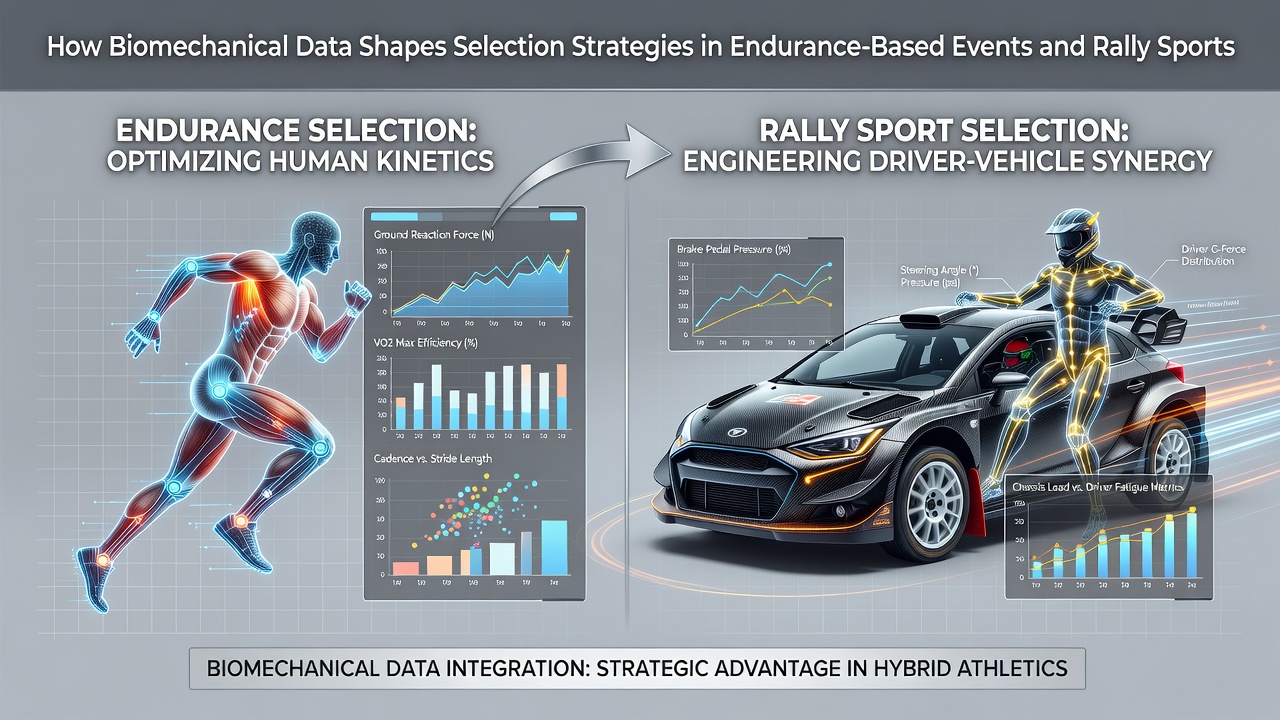
Biomechanical data collection has become central to how teams and coaches identify talent for endurance events such as marathons, ultra-distance cycling, and triathlons, while similar approaches now guide driver selection in rally competitions around the world. Motion sensors, force platforms, and wearable devices capture joint angles, ground reaction forces, and muscle activation patterns that reveal which athletes or drivers maintain efficiency under prolonged stress. August 2026 preparations for major endurance championships and rally series already incorporate these metrics into preliminary screening rounds, allowing organizations to narrow large applicant pools before full competition schedules begin.
Data Collection Methods in Endurance Sports
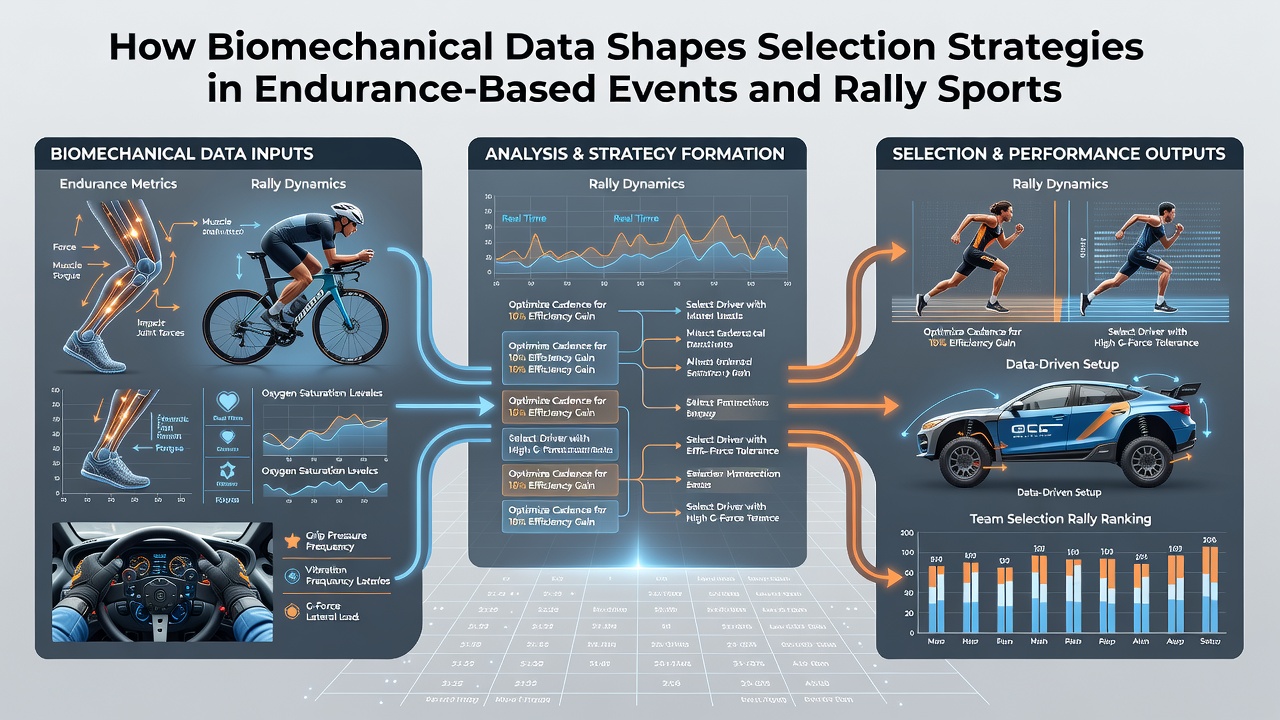
Researchers at multiple institutes track stride length, cadence, and vertical oscillation through high-speed cameras paired with inertial measurement units, then feed the outputs into algorithms that predict fatigue onset. Studies conducted at facilities in Australia and Canada show that runners with asymmetrical hip rotation above a 4-degree threshold experience earlier declines in speed during 42-kilometer events. Cycling programs apply pedal torque sensors and saddle pressure mapping to determine which athletes sustain power output above 5.5 watts per kilogram across multi-stage races without excessive energy cost. Triathlon federations combine swim stroke analysis with run gait data because transitions between disciplines amplify small inefficiencies that compound over several hours of competition.
Application to Rally Driver Selection
Rally teams measure neck muscle endurance, steering wheel input forces, and head stabilization under simulated lateral loads because co-drivers and drivers face repeated high-g cornering that fatigues stabilizing muscles within minutes. Data from European rally academies indicate that drivers who maintain consistent throttle modulation and minimal torso sway during 90-second vibration tests demonstrate better stage times on gravel surfaces. Vehicle integration studies further link driver seating posture metrics to reduced error rates when navigating blind crests, prompting selectors to prioritize candidates whose biomechanical profiles match the demands of specific car setups rather than relying solely on lap records from sealed surfaces.
Integration of Longitudinal Tracking
Programs now combine single-session lab tests with season-long wearable monitoring because short tests miss how athletes adapt or degrade over months. One cohort followed by the International Olympic Committee’s research partners revealed that athletes whose knee flexion angles decreased by more than 6 degrees mid-season faced elevated injury risk during Olympic qualification cycles. Rally organizations apply similar multi-month tracking to young drivers, recording cumulative spinal loading from repeated jumps and landings to forecast which competitors can handle the physical toll of a full World Rally Championship calendar without performance drop-off.
Case Examples From Recent Seasons
A national endurance squad in New Zealand adjusted its marathon selection criteria after force-plate data showed that athletes with higher Achilles tendon stiffness maintained better running economy past the 30-kilometer mark. The revised thresholds led to three previously overlooked runners qualifying for international teams in 2025. In rally, a Scandinavian team used head-neck stiffness measurements to promote a driver from the junior ranks who had posted only mid-pack results in lower categories; subsequent events demonstrated improved consistency on high-speed forest stages where rapid directional changes dominate. These adjustments occurred because selection panels reviewed aggregated datasets rather than isolated performance snapshots.
Challenges in Standardization
Equipment calibration differences between laboratories still produce variability in reported joint angles and force values, prompting governing bodies to develop shared protocols. The Fédération Internationale de l’Automobile has circulated draft guidelines that specify sensor placement locations and sampling rates for rally driver assessments, while World Athletics works with academic partners to harmonize running gait protocols across member federations. Observers note that standardization efforts accelerate when multiple nations contribute datasets from their domestic programs, reducing regional bias in normative values.
Future Directions
Emerging machine-learning models now process combined biomechanical, physiological, and environmental data to generate individualized selection forecasts. Early implementations in triathlon and rally academies demonstrate improved retention rates because candidates receive targeted interventions based on their specific movement signatures before major events. Continued expansion of these systems depends on larger shared databases and consistent ethical frameworks for data ownership across international borders.
Conclusion
Biomechanical data continues to refine how endurance and rally programs identify and develop athletes and drivers by replacing subjective impressions with measurable performance indicators. As collection methods become more portable and analysis tools more accessible, selection strategies across both domains increasingly rely on longitudinal profiles that capture adaptation under real-world conditions. Organizations that align their criteria with these evolving datasets position themselves to field competitors who sustain high output while minimizing injury exposure throughout demanding competitive calendars.